Neutral interiors offer a calm backdrop for everyday life. Shades of cream, beige, grey, and soft white can make a room feel cohesive and adaptable. However, when every surface looks equally smooth and uniform, the space may feel unfinished or lack personality.
Texture introduces variation without requiring bold colour. The grain of a wooden table, the folds of linen curtains, or the irregular surface of a ceramic vase gives the eye something to explore. Thoughtfully combined, these details help neutral rooms feel comfortable, expressive, and lived in.
Begin With Contrast Between Surfaces
Texture becomes noticeable through contrast. A woven cushion stands out against smooth upholstery, while a polished lamp looks more distinctive beside a rough ceramic bowl.
Look around the room and identify its dominant surfaces. If you have a smooth sofa, glass table, and painted walls, introduce something with a visible weave or natural grain. If the room already contains rustic timber and coarse fabrics, a few smoother elements can provide balance.
Aim for a mix of surfaces rather than making every object highly textured. Quiet areas allow distinctive materials to make an impression.
Layer Textiles With Different Weaves
Textiles offer an accessible way to soften a neutral room. Cushions, throws, curtains, and upholstery can share a similar colour while differing in their construction and finish.
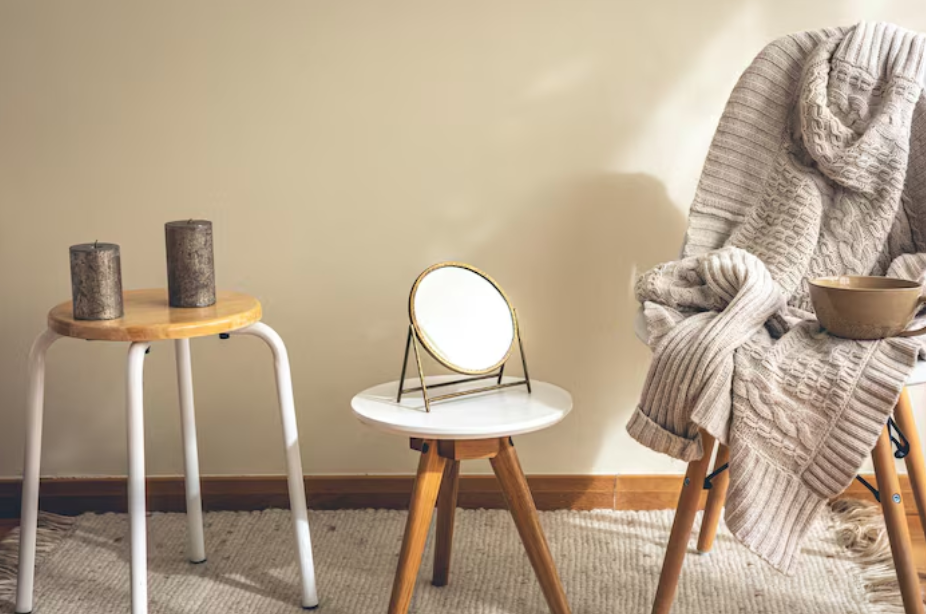
For example, an oatmeal sofa might work with a linen cushion, a softly brushed cotton cushion, and a loosely knitted throw. Their related colours create continuity, while their different surfaces prevent the arrangement from looking flat.
Consider everyday comfort alongside appearance. A highly textured fabric may look inviting but feel scratchy against the skin. Choose washable covers and practical materials where spills, children, or pets are part of daily life.
Introduce the Character of Natural Materials
Wood, rattan, cork, stone, and clay bring variations that help a room feel less uniform. Grain, small colour differences, and irregular edges add detail within a restrained palette.
A wooden side table can bring warmth to a pale seating area. A woven basket can provide storage while breaking up a row of smooth cabinetry. Terracotta or unglazed pottery introduces an earthy surface that pairs easily with cream and beige.
You do not need to fill the room with matching natural materials. Repeat one or two finishes in different places to create a sense of connection.
Use Rugs to Ground the Room
A rug adds a substantial layer of texture and helps define a seating or sleeping area. Its weave and pile influence how the room looks and feels.
A flatwoven rug offers subtle pattern and a relatively streamlined surface. A thicker pile creates a softer impression, while a woven natural-fibre rug introduces a more pronounced texture.
Choose according to how the room functions. Dining areas benefit from surfaces that accommodate moving chairs and regular cleaning. Bedrooms may allow for softer textures underfoot. Check care requirements before buying, especially for materials that are sensitive to moisture or difficult to clean.
Give Walls and Windows Some Depth
Large wall and window areas strongly influence a room’s atmosphere. Curtains can soften the outline of a window and create gentle vertical folds, even when their colour closely matches the walls.
Textured wallpaper, timber detailing, or a carefully applied decorative finish can also introduce depth. Use these features selectively, particularly in smaller rooms where several competing treatments may feel busy.
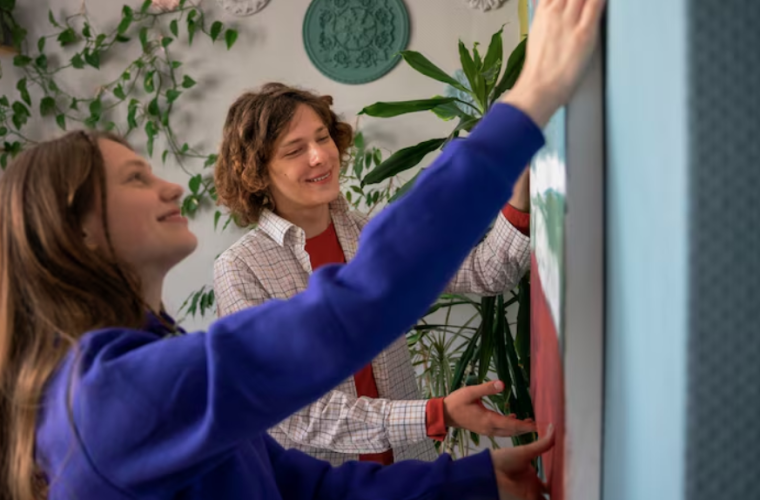
For a simpler change, hang artwork with a tactile surface or choose frames with visible wood grain. A small addition can interrupt a broad expanse of plain wall without dominating it.
Let Lighting Reveal Texture
Texture changes with the direction and strength of light. Side lighting can reveal the weave of fabric, the relief of a wall finish, or the contours of handmade pottery.
Combine general lighting with table lamps, floor lamps, or wall lights to create different points of interest. A lamp beside a textured curtain or chair can make that corner feel more inviting after dark.
Choose light sources with a consistent colour appearance where possible. Warm-toned light often complements earthy neutrals, but test it in the room because lighting can change how paint and fabrics appear.
Keep Accessories Selective
Small objects offer opportunities to introduce texture without major changes. A ceramic vase, fabric lampshade, woven tray, or stack of books can add variety to a shelf or tabletop.
Give each arrangement breathing room. Too many small accessories can turn a restful palette into visual clutter. Group a few pieces with different heights and surfaces, then leave some space empty.
Personal objects also help a neutral interior feel inhabited. A favourite blanket or well-used wooden bowl often contributes more character than a collection chosen solely to match.
Texture works best when it supports both comfort and daily use. Build the room gradually, notice which surfaces are missing, and introduce materials you enjoy touching and living with. The result is a neutral interior with depth, warmth, and a personality that develops over time.
Read more : 100 Heartfelt Thank You Messages for Wedding Guests, Family & More-2026

Rehana Qmar is the admin and author of QuestionsBoyfriend.com. She researches and writes helpful Questions, Responses, and Message ideas for relationships.
Her content is based on real communication needs, simple language, and practical examples to help readers express feelings clearly and confidently.