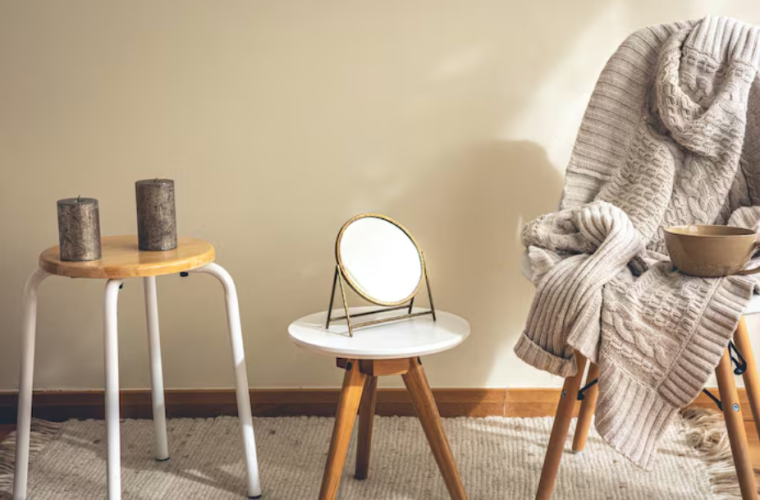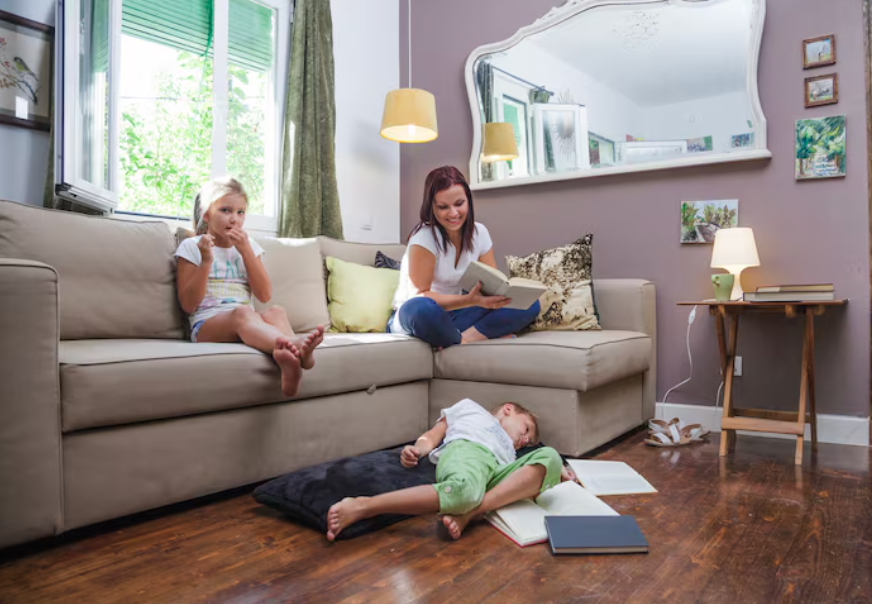
A small living room can feel comfortable and inviting while still offering a sense of openness. Its appearance depends on how furniture, light, color, and everyday belongings work together. A crowded walkway or an oversized table can make even a carefully decorated room feel cramped.
Creating more breathing room starts with understanding how you use the space. Thoughtful changes to the layout and a few practical decorating choices can make the room feel easier to move through and more enjoyable to spend time in.
Plan Around Your Daily Activities
Before moving furniture or buying anything, identify what your living room needs to accommodate. Watching television, reading, entertaining, working, and children’s play may all compete for space.
Choose the activities that matter most and arrange the room around them. A household that rarely entertains may benefit more from a comfortable sofa and one movable chair than several permanent seats.
Measure the room, including door openings, windows, radiators, and other fixed features. Check how doors and drawers open so your layout works in practice. A room feels more spacious when ordinary activities do not require constant rearranging.
Choose Furniture With Suitable Proportions
Furniture should fit both the room and the way you use it. A deep sofa with thick arms can occupy considerable space while offering less seating than its overall size suggests.
Compare usable seating, depth, and arm width when selecting a sofa. Chairs with open frames and furniture raised on legs can reveal more floor, helping the arrangement feel visually lighter.
Avoid assuming every piece must be tiny. Several small tables and chairs can create more clutter than a few well-chosen items. Aim for a balanced arrangement with enough space between pieces to move comfortably.
Keep Walkways Clear
A clear route through the room makes a noticeable difference. Position seating so people can enter, reach a window, or move to an adjoining room without squeezing around furniture.
If the coffee table interrupts that route, consider a narrower design, nesting tables, or a small side table. An upholstered ottoman may provide a useful alternative when you also need occasional seating.
Furniture does not always need to sit against every wall. Moving a chair slightly inward can improve its relationship with the sofa and prevent an awkward corner. Test the layout before settling on it.
Use Color to Create Continuity
A coordinated palette can help a compact room feel calmer. Light colors often make good use of available daylight, while deeper colors can create a comfortable, enveloping atmosphere.
For a sense of continuity, keep large surfaces and major furnishings within a related range of tones. Strong contrasts can still work, but use them deliberately to highlight a few features.
Consider how paint looks throughout the day before committing. The same shade can appear different beside a window, under a lamp, or against existing flooring. Sample colors in the room where they will be used.
Make the Most of Natural and Artificial Light
Heavy window coverings and poorly placed furniture can limit daylight. Keep bulky items away from windows where possible, and choose curtains or blinds that provide the privacy you need without unnecessarily covering the glass.
Several light sources can make the room more adaptable than a single ceiling fixture. A reading lamp, a wall light, and gentle background lighting can illuminate different areas without requiring large fittings.
Mirrors may help reflect light and extend a view, depending on their position. Place one where it reflects something appealing, such as a window or a tidy part of the room. Check the reflection from your usual seated position.
Give Everyday Items a Home
Remote controls, chargers, books, and other frequently used items can quickly cover a small room’s surfaces. Accessible storage makes it easier to put them away.
Use furniture that earns its space, such as a side table with a drawer or a bench with storage. Closed cupboards can contain visually busy belongings, while open shelves offer room for a few decorative pieces.
Leave some empty space on shelves and tabletops. When every surface is filled, individual objects become harder to appreciate and the room can feel crowded.
Keep Decoration Focused
A small living room can still express plenty of personality. Choose artwork, textiles, and objects that contribute to a clear overall arrangement.
A suitably sized rug can connect the seating area, while a well-placed piece of artwork can provide a focal point. Too many small rugs or scattered decorations may divide the room visually.
Review the space from its entrance. Notice what catches your attention and whether anything obstructs the view or movement. Adjusting one table, removing an unused chair, or simplifying a shelf may be enough to improve the whole room.
The most spacious-feeling living room is one that works comfortably for its occupants. Clear routes, useful furniture, accessible storage, and balanced lighting allow a small space to feel settled, welcoming, and easy to use.
Read more : Creative Ways to Decorate Empty Corners With Purpose

Rehana Qmar is the admin and author of QuestionsBoyfriend.com. She researches and writes helpful Questions, Responses, and Message ideas for relationships.
Her content is based on real communication needs, simple language, and practical examples to help readers express feelings clearly and confidently.