

An empty corner can make a room feel unfinished, but filling it with the first available chair or decorative object rarely solves the problem. The most successful corner arrangements respond to how a room is used. They provide somewhere to read, store everyday belongings, display meaningful objects, or enjoy a little greenery.
Before choosing furniture or accessories, consider what the space could contribute. A corner beside a window offers different possibilities from one behind a door. Its dimensions, light, and relationship to nearby furniture can guide a design that feels useful and intentional.
Create a Comfortable Reading Spot
A quiet corner can become an inviting place to read without requiring much furniture. Start with a chair that fits comfortably within the available space, leaving enough room to move around it.
Add a reading lamp and a small table for a book or drink. A cushion or throw can introduce color and texture while making the chair more comfortable.
Pay attention to the direction of the light. A lamp should illuminate the page without shining directly into your eyes. If the corner receives strong sunlight, an adjustable blind or curtain can help make it usable throughout the day.
Give Plants a Dedicated Place
Plants can soften the meeting point between two walls and bring variety to rooms dominated by straight lines. Choose plants suited to the corner’s actual light conditions rather than selecting them solely for appearance.
One substantial plant can provide a clear focal point. Alternatively, a small group at different heights can create depth without covering the floor with pots.
Plant stands help lift foliage into view, while coordinated containers keep the arrangement visually connected. Leave room for watering and cleaning, and use suitable trays or protective surfaces beneath pots.
In homes with pets or young children, check plant suitability and make sure stands are stable.
Add Storage That Solves a Real Problem
An unused corner can help manage the objects that regularly gather elsewhere. A narrow cabinet might hold table linens near a dining area, while a basket could provide a home for blankets beside a sofa.
Choose storage according to what needs to fit inside it. Attractive shelves are less useful if they cannot accommodate the books, boxes, or equipment you intend to store.
Closed storage creates a calmer appearance when contents are varied. Open shelving works well for a smaller collection of objects that you enjoy seeing. Leave some space between items so the arrangement remains easy to use and clean.
Design a Compact Workspace
A corner can accommodate a modest workspace when a separate office is unavailable. A small desk, comfortable chair, and focused task light may be enough for occasional paperwork or laptop use.
Check that there is sufficient legroom and that the chair can pull out without blocking a walkway. Nearby electrical sockets are helpful, but cables should be kept clear of foot traffic.
Vertical storage can free the desktop for work. A shelf or wall organizer can hold supplies, provided it is securely installed and easy to reach.
The workspace should suit the tasks you actually perform. A shallow decorative table may work for writing a note but feel cramped during extended computer use.
Use Lighting to Give the Corner a Role
Some corners feel empty mainly because they are dark. A floor lamp can make the area feel connected to the rest of the room while providing useful illumination.
Consider where the light needs to go. A shaded lamp can create a gentle pool of light beside seating, while an adjustable design can support reading or hobbies.
Choose a base that fits safely within the corner and route the cord carefully. The lamp should complement nearby furniture without making the space difficult to navigate.
Display Art or Meaningful Objects
A corner can provide space for a small, personal display. Framed artwork on adjoining walls, a narrow pedestal, or a compact shelf can highlight pieces that might otherwise disappear among larger furnishings.
Use scale to guide the arrangement. One well-proportioned artwork may be more effective than numerous small objects crowded together.
A display feels purposeful when it reflects something meaningful: a handmade bowl, travel photographs, or a collection you genuinely enjoy. Consider how the arrangement looks from the doorway and from the room’s main seating position.
Make Room for an Everyday Ritual
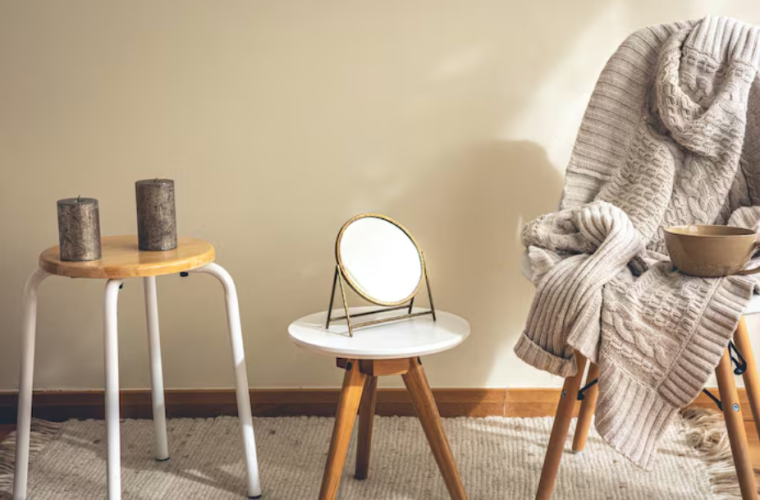
Think about activities that deserve a convenient place. A dining-room corner might hold tea supplies, while a bedroom corner could accommodate a dressing mirror and a small basket for accessories.
In an entrance area, a compact bench and hooks may make arriving home easier. In a family room, a low shelf can keep frequently used games accessible.
Keep each arrangement focused. Grouping related objects gives the corner a clear function and reduces the chance that it becomes a general dumping ground.
Let the Room Keep Some Breathing Space
Every corner does not need furniture. Sometimes a clear floor area allows curtains to hang properly, preserves a comfortable walkway, or gives nearby pieces enough visual space.
Measure before buying, and check doors, drawers, and movement routes. Begin with one useful element, then add only what improves the arrangement.
A thoughtfully decorated corner earns its place through daily use or enjoyment. Whether it offers light, storage, comfort, or a personal detail, its purpose helps the whole room feel more complete.
Read more : 100 Heartfelt Thank You Messages for Wedding Guests, Family & More-2026

Rehana Qmar is the admin and author of QuestionsBoyfriend.com. She researches and writes helpful Questions, Responses, and Message ideas for relationships.
Her content is based on real communication needs, simple language, and practical examples to help readers express feelings clearly and confidently.
1 comment