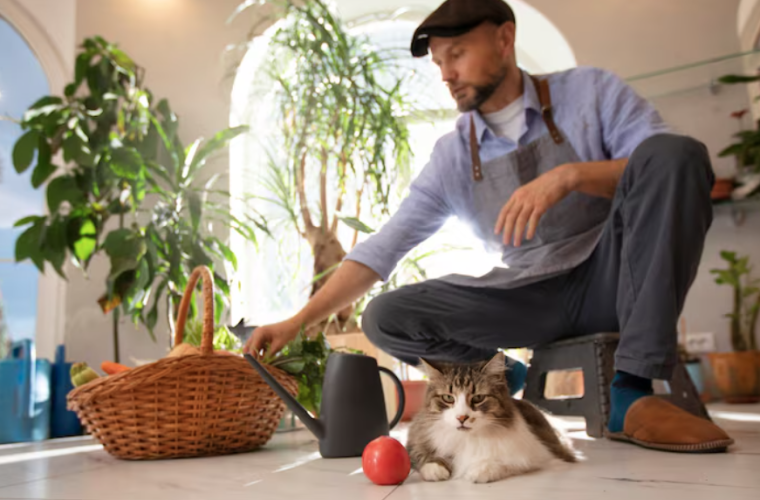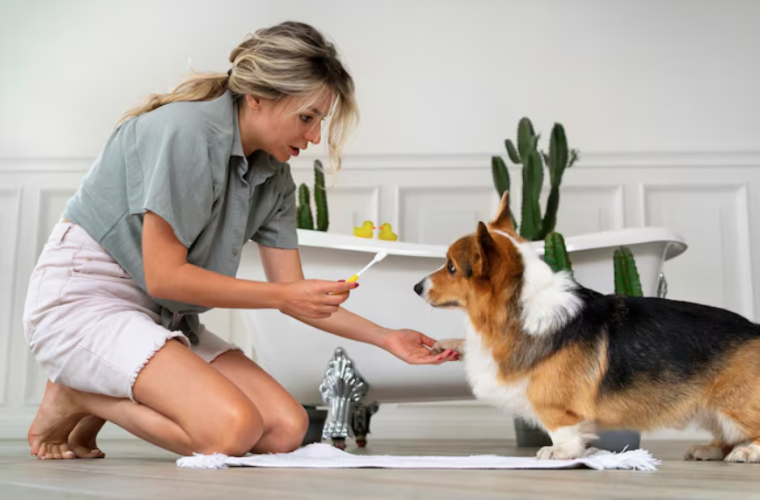
Pets express their preferences through countless small choices. They return to particular resting spots, approach certain toys, and decide when to seek company or move away. Paying attention to these everyday actions can help you understand what your companion enjoys.
The key is to observe patterns without assuming that every action has one fixed meaning. Species, personality, surroundings, and previous experiences all influence behavior. A thoughtful approach combines curiosity with respect for the animal’s ability to choose.
Notice the Choices Your Pet Repeats
Repeated behavior offers a useful starting point. A pet that regularly settles beside a window may enjoy the view, warmth, or quiet location. One that carries the same toy around may prefer its shape, texture, or the way it moves.
Look at the circumstances as well as the choice. Does your pet use that resting place only when the house is busy? Is the favorite toy available throughout the day, while others stay in a cupboard?
Observing across different situations helps you distinguish a consistent preference from a choice shaped by limited options.
Look at the Whole Interaction
One movement rarely explains exactly what an animal wants. Consider posture, movement, surroundings, and what happens next.
During an interaction, notice whether your pet approaches voluntarily, remains nearby, or moves away. These choices can help you decide whether to continue or offer space.
Avoid repeatedly calling an animal back after it has left. Giving pets an easy way to end an interaction allows you to learn more from the occasions when they choose to participate.
Discover What Makes Play Appealing
Different pets enjoy different forms of activity. Even animals of the same species may prefer different textures, movements, or levels of involvement.
Offer a small selection of suitable toys and introduce them separately. Notice whether your pet prefers chasing, searching, carrying, manipulating objects, or interacting with you.
How you present a toy matters. A toy lying still may attract little interest but become engaging when moved appropriately. Equally, an animal may prefer exploring an object independently.
Choose items appropriate for your pet’s species, size, and habits. Supervise unfamiliar toys and remove damaged pieces rather than assuming a popular product suits every animal.
Learn From Resting Habits
Resting places can reveal preferences for privacy, company, surface texture, and location. One pet may settle close to household activity, while another regularly chooses a sheltered corner.
Provide suitable options where possible. A quiet resting area and a comfortable place near family activity allow your pet to choose according to the moment.
Avoid moving a bed solely because another location looks tidier. First consider what the original spot offers. You may be able to preserve the qualities your pet values while improving the arrangement.
Respect rest, too. Being able to sleep without repeated disturbance is part of having a usable retreat.
Observe Mealtime Preferences Carefully
Mealtime behavior can reflect more than flavor. Bowl placement, nearby activity, feeding equipment, and the presence of other animals may influence how a pet approaches food.
Watch for patterns without making rapid changes. Does your pet seem more comfortable eating in a quieter location? Does competition from another animal interrupt the meal?
Change one manageable factor at a time so you can see whether it makes a difference. Continue to follow an appropriate feeding plan rather than repeatedly offering extras to encourage enthusiasm.
A change in appetite should not automatically be treated as pickiness. If eating behavior changes unexpectedly, discuss it with your veterinarian.
Make Everyday Handling More Cooperative
Grooming, equipment, and handling can reveal clear individual preferences. Notice which stages your pet accepts readily and where it begins to hesitate or move away.
Keep observations specific. “Moves away when the brush reaches the hindquarters” is more useful than “hates grooming.” It identifies a situation you can investigate rather than assigning a fixed personality trait.
Use gradual, species-appropriate familiarization and seek qualified guidance when necessary. Essential care should be planned around comfort and safety, with attention to possible causes of difficulty.
Keep a Simple Record
A few notes can make patterns easier to recognize. Record what was offered, the setting, and how your pet responded. Include occasions when it showed no interest.
Review your observations over time. Preferences may change with age, season, household routines, or experience. An item your pet ignored previously may become interesting later.
Introduce choices gradually and avoid turning observation into constant testing. Ordinary life provides plenty of opportunities to learn.
Understanding your pet develops through patient attention. Each voluntary approach, repeated choice, and quiet retreat adds context. When you respond thoughtfully, you can build a home and routine that give your companion more opportunities to feel comfortable and participate on its own terms.
Read more : 150 Inspirational Quotes to Motivate You Every Day (2026)

Rehana Qmar is the admin and author of QuestionsBoyfriend.com. She researches and writes helpful Questions, Responses, and Message ideas for relationships.
Her content is based on real communication needs, simple language, and practical examples to help readers express feelings clearly and confidently.