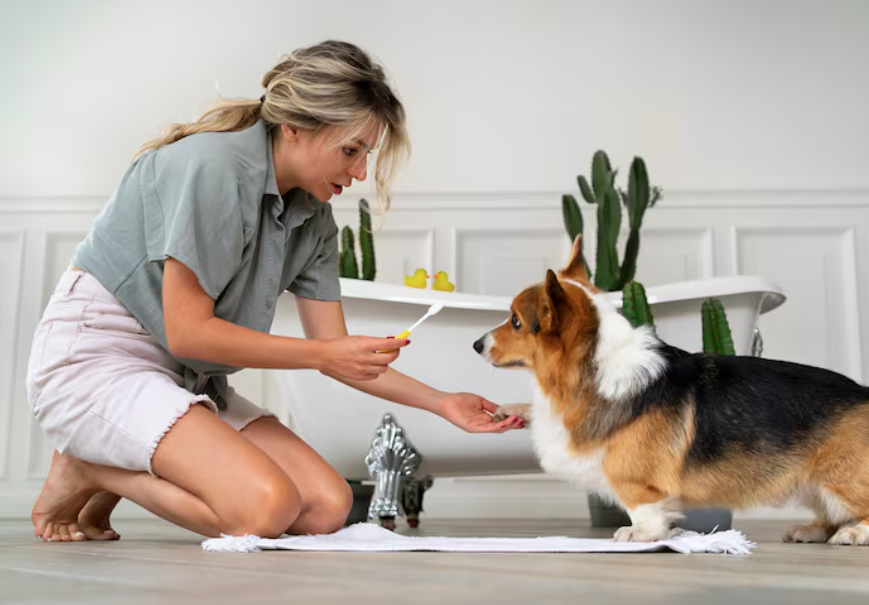
Pet care involves many small responsibilities. Refilling a water bowl, cleaning a litter tray, providing exercise, and spending time together may seem straightforward individually. During a busy day, however, it can be easy to forget which tasks have been completed.
A consistent routine gives these responsibilities a dependable place in everyday life. It helps household members coordinate their efforts and makes it easier to notice changes in a pet’s usual behavior. The best routine fits the animal’s needs while remaining practical for the people providing care.
Start With Your Pet’s Individual Needs
Different animals need different kinds of daily care. A dog’s routine may include outdoor walks and toilet breaks, while an indoor cat needs suitable litter facilities and opportunities to climb, scratch, and play. Other species have their own requirements for housing, feeding, and interaction.
Age, health, and temperament also matter. A young animal may need more frequent attention, while an older pet may benefit from a gentler pace or adjustments recommended by a veterinarian.
Begin by listing the essential tasks for your particular pet. Build the schedule around those needs rather than trying to copy another household’s routine.
Connect Care With Existing Habits
Tasks are easier to remember when they follow something you already do. Checking water bowls after preparing your breakfast or cleaning a pet’s feeding area after dinner creates a familiar reminder.
These connections reduce the need to remember every responsibility separately. Choose moments when you usually have enough time to complete the task properly.
Keep essential supplies accessible and safely stored. Having cleaning materials, waste bags, or grooming tools in a predictable place makes everyday care easier to carry out.
Make Feeding Responsibilities Clear
In households with several caregivers, uncertainty can lead to missed meals or accidental extra feeding.
Agree on who handles each meal and use a simple record if responsibilities change throughout the day. A checklist or shared note can show when food has been provided.
Follow an appropriate feeding plan for your pet, including any veterinary instructions. Treats and food used during training should also be accounted for within that plan.
Fresh drinking water needs regular attention. Check its cleanliness and availability throughout the day, including when using fountains or automatic dispensers.
Give Activity a Place in the Day
Exercise and enrichment deserve a regular place alongside feeding and cleaning. The appropriate activity depends on the animal.
Dogs may enjoy walks that include opportunities to explore and sniff. Cats may engage with short interactive play sessions, climbing spaces, and suitable scratching surfaces. Other pets need species-appropriate ways to explore and express natural behaviors.
Watch how your pet responds and adjust the activity accordingly. Interest, comfort, weather, and physical ability can all influence what works on a particular day.
A manageable daily activity is easier to maintain than an ambitious plan that rarely happens.
Keep Cleaning Tasks Small and Regular
Frequent attention can stop routine cleaning from becoming an overwhelming job. Remove waste promptly, clean food and water containers, and check bedding or enclosure areas for dirt and moisture.
The exact cleaning schedule and products should suit the species, housing, and materials involved. Follow product instructions and keep animals away from cleaning substances until the area is safe for them.
Include occasional deeper cleaning in a separate schedule. This helps ensure that less visible tasks receive attention without crowding every day.
Build Observation Into Ordinary Care
Daily interactions provide opportunities to learn what is normal for your pet. Notice their usual appetite, movement, toileting, grooming, and interest in activities.
You do not need to turn every interaction into an examination. Simply paying attention while feeding, playing, or cleaning can reveal a meaningful change.
Keep brief notes when something seems different, including when it started. Persistent or concerning changes warrant veterinary advice rather than an assumption that the routine alone will resolve them.
Share the Work Without Losing Track
A clear division of responsibilities makes care more dependable. Specify who handles morning tasks, evening tasks, and care during absences.
Backup arrangements matter too. Keep feeding instructions, veterinary contact details, and other essential information available to a trusted caregiver.
For medication or other prescribed care, follow veterinary directions and maintain a clear administration record. This reduces confusion when more than one person is involved.
Keep the Routine Flexible
Consistency works best when the routine can accommodate ordinary changes. A late meeting, travel, or a shift in household responsibilities should trigger a practical alternative rather than leave care uncertain.
Review the schedule as your pet’s needs change. Some activities may need different timing, additional support, or a simpler arrangement.
A dependable pet-care routine grows from clear responsibilities and repeated attention. When essential tasks fit naturally into the day, they become easier to maintain—and leave more room to enjoy the companionship that makes caring for a pet worthwhile.
Read more : 100 ‘’ Heart Touching Quotes ’’ About Love and Life (2026)

Rehana Qmar is the admin and author of QuestionsBoyfriend.com. She researches and writes helpful Questions, Responses, and Message ideas for relationships.
Her content is based on real communication needs, simple language, and practical examples to help readers express feelings clearly and confidently.