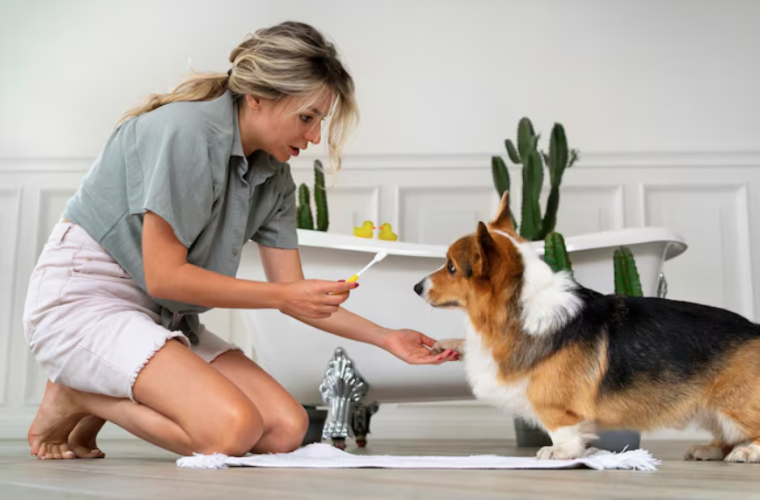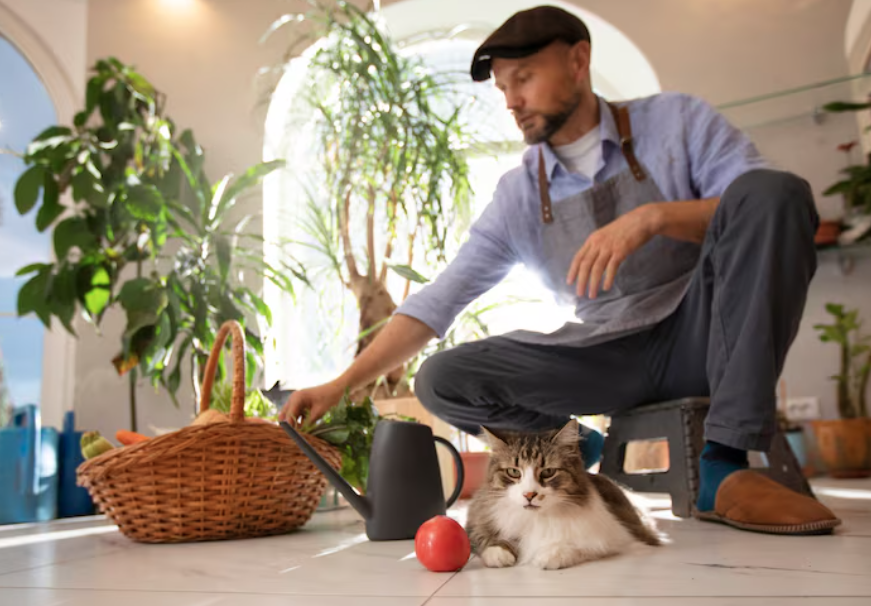
Indoor pets experience much of their world within the home. The spaces, routines, and activities available to them influence how they spend their days. A thoughtfully arranged environment gives them opportunities to investigate, move, make choices, and retreat when they need quiet.
Enrichment involves more than providing a basket of toys. It means understanding what matters to a particular animal and offering suitable ways to express natural behaviors. Small, practical changes can make familiar surroundings more interesting without making the home crowded or unpredictable.
Start With Your Pet’s Natural Behaviors
Different species explore and interact with their surroundings in different ways. Cats often seek climbing opportunities, scratching surfaces, and sheltered resting places. Dogs may enjoy sniffing, searching, chewing, and interacting with people. Rabbits benefit from suitable opportunities to forage, hide, dig, and chew.
Individual preferences matter too. Age, mobility, confidence, and previous experiences can affect which activities a pet enjoys.
Observe what your animal chooses to do when given options. Notice where they rest, which objects attract their attention, and when they prefer company. Use those observations to guide your choices rather than assuming every popular toy will suit them.
Provide Comfortable Places to Retreat
An enriching home includes quiet spaces where pets can rest without being disturbed. Constant activity and interaction can become overwhelming, even for sociable animals.
Choose resting areas away from busy walkways, loud appliances, and frequent interruptions. A suitable bed, covered shelter, or open carrier may provide a comfortable refuge, depending on the species.
Give pets a choice of locations where practical. One animal may enjoy watching household activity from a distance, while another prefers a secluded corner. Teach children and visitors to leave resting animals undisturbed and allow pets to approach voluntarily.
Make Space for Safe Movement
Arrange the environment so your pet can move comfortably and explore appropriate areas. Clear routes and stable surfaces are especially useful for animals that are older or less steady.
For cats, secure climbing furniture and accessible perches can create additional usable space. Dogs may appreciate an uncluttered area for gentle play. Small animals need species-appropriate housing and safe opportunities for movement beyond a cramped enclosure.
Check the surroundings from your pet’s perspective. Secure loose cables, remove accessible hazards, and ensure furniture cannot tip during exploration. Screens and barriers should be sturdy enough for their intended purpose.
Turn Feeding Into an Engaging Activity
Food can provide opportunities to search, investigate, and solve manageable challenges. Depending on the animal, this might involve a suitable puzzle feeder, a snuffle mat, or small portions placed in accessible hiding spots.
Begin with an easy version so your pet can succeed. A challenge that consistently prevents access to food can create frustration rather than enjoyment.
Use part of the normal food allowance where appropriate, and monitor how much is eaten. Choose equipment suited to your pet’s size and behavior, supervise unfamiliar activities, and remove anything they begin to damage or swallow.
Offer Variety Without Constant Change
A few well-chosen activities can be more useful than many items left out permanently. Rotating suitable toys may renew interest while keeping the space manageable.
Vary the experience as well as the object. A searching activity, a short interactive game, and an opportunity to explore a safe new texture offer different forms of engagement.
Keep familiar resources available while introducing something new. Place unfamiliar items where the animal can investigate at its own pace. Avoid forcing contact with objects that cause fear or hesitation.
Include Social Interaction and Choice
Time with people can be an important part of enrichment. Play, gentle training, and calm companionship offer different ways to interact.
Keep sessions suited to the animal’s attention and energy. Pause regularly and watch whether your pet chooses to continue. Moving away, hiding, or repeatedly avoiding contact can indicate a need for space.
Pets living together also need opportunities to separate. Provide enough appropriately placed resources so one animal cannot easily block another’s access to food, water, resting areas, or toileting facilities.
Review What Works Over Time
Enrichment needs change. An activity that once suited a young, energetic animal may need adapting as mobility or preferences shift.
Look for voluntary engagement, comfortable exploration, and the ability to settle afterward. If an activity repeatedly causes frustration, simplify it or choose something else.
Sudden changes in appetite, activity, toileting, or social behavior deserve veterinary attention rather than being treated only as boredom. Environmental improvements can support daily life, but they cannot explain every behavioral change.
A rewarding indoor environment develops through observation and thoughtful adjustments. By offering safe movement, comfortable retreats, suitable challenges, and meaningful choices, you give your pet more ways to enjoy and participate in everyday life at home.
Read more: 150 Inspirational Quotes to Motivate You Every Day (2026)

Rehana Qmar is the admin and author of QuestionsBoyfriend.com. She researches and writes helpful Questions, Responses, and Message ideas for relationships.
Her content is based on real communication needs, simple language, and practical examples to help readers express feelings clearly and confidently.