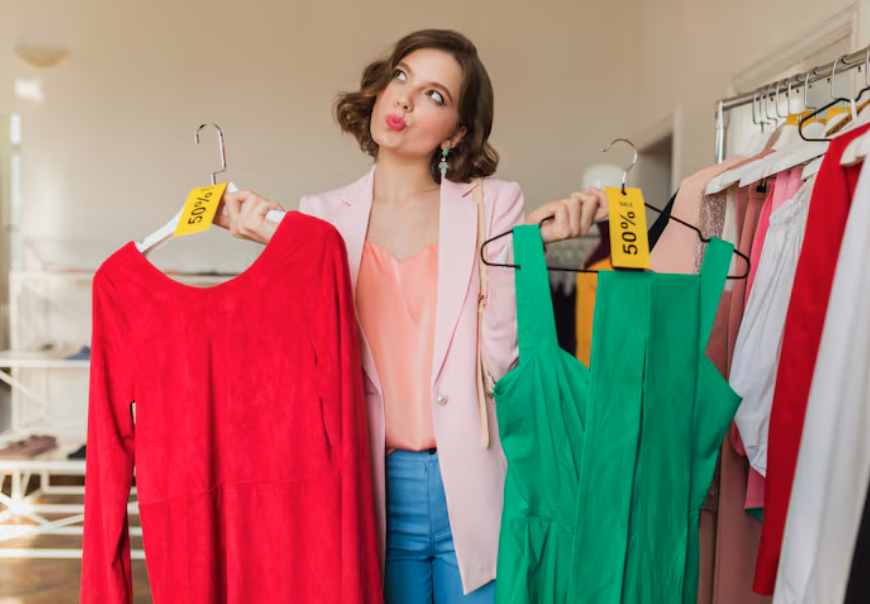
A full wardrobe does not always make getting dressed easier. When clothes work only with specific items or do not suit your daily activities, the number of possible outfits can feel surprisingly limited. A smaller collection of compatible pieces can offer more practical choices.
Creating variety starts with understanding what you already own and finding different ways to wear it. Thoughtful combinations, changes in proportion, and a few accessories can help familiar clothes feel fresh without requiring constant purchases.
Start With the Clothes You Actually Wear
Before planning new outfits, take a close look at your current wardrobe. Set aside the pieces you reach for regularly and consider why they work. Perhaps they fit comfortably, suit your routine, or pair easily with other clothes.
Next, identify items that rarely leave the hanger. Some may need a repair or simple alteration. Others might be difficult to combine because of their color, shape, or level of formality.
Try overlooked pieces with your reliable favorites before deciding what to keep. This process can reveal useful combinations and clarify which clothes deserve space in your everyday wardrobe.
Choose a Color Palette That Connects Your Pieces
Clothes become easier to combine when their colors work together. Start with a few shades you enjoy wearing and can repeat across tops, bottoms, and layers.
Neutrals such as navy, cream, brown, gray, and black can provide a flexible foundation, but a practical wardrobe does not have to be entirely neutral. Burgundy, olive, blue, or soft pink can also connect several outfits when repeated thoughtfully.
Use patterns as a bridge. A striped shirt or printed scarf containing colors already in your wardrobe can bring separate pieces together. The aim is to create useful relationships between clothes while keeping room for personal preference.
Look for Pieces With Several Uses
Versatility depends on your lifestyle. A tailored jacket may be useful for someone who regularly attends meetings, while an overshirt may offer more possibilities for a casual routine.
Look for pieces that work in several combinations and settings. A button-down shirt, for example, can be worn tucked into trousers, open over a simple top, or tied loosely over a dress. Comfortable trousers might pair with trainers for errands and smarter shoes for dinner.
Before buying something, imagine at least three outfits using clothes you already own. If every combination requires another purchase, the item may add less flexibility than expected.
Change Proportions to Create a Different Look
Small styling adjustments can change an outfit’s overall shape. Tucking in a shirt defines the waist, while leaving it loose creates a more relaxed line. Rolling sleeves or adding a belt can also shift the appearance.
Experiment with balance. A loose shirt may feel different with straight trousers than with wide-leg trousers. A fitted top can give a full skirt a clearer silhouette, while a cropped jacket can change how a dress looks.
There are no universal proportions that suit everyone. Try combinations in front of a mirror and notice which ones feel comfortable and intentional.
Use Layers to Expand Your Options
Layering allows individual pieces to appear in several roles. A lightweight cardigan can sit over a dress, accompany a T-shirt and jeans, or be worn buttoned as a top when its design allows.
A shirt beneath a sleeveless dress creates a different outfit from the same dress worn alone. A simple top under an open shirt offers another combination without adding much complexity.
Choose layers that fit comfortably together. Bulky seams, tight sleeves, and competing necklines can make an outfit difficult to wear. Fabric weight and weather matter as much as appearance.
Let Shoes and Accessories Set the Mood
Shoes, bags, belts, and jewelry can change how familiar clothes feel. Straight-leg jeans and a plain shirt may look relaxed with trainers and a canvas bag, then more polished with loafers and a structured bag.
You do not need a large accessory collection. A few items you enjoy wearing can provide useful variation. Consider changing one or two details at a time so it is easy to see their effect.
Comfort remains essential. An accessory adds little practical value if it makes the outfit unsuitable for your day.
Build Outfit Formulas and Record Them
An outfit formula is a combination you can repeat with different pieces. Examples include trousers with a tucked shirt, a dress with a light jacket, or jeans with a simple top and an open layer.
Spend a little time trying these formulas with your existing clothes. Photograph combinations you like and keep them in a phone album. This creates a personal reference for rushed mornings and helps prevent useful ideas from being forgotten.
Pay attention to genuine gaps as you experiment. You may discover that one suitable pair of shoes would connect several outfits, making it a more useful purchase than another statement top.
A flexible wardrobe develops through repeated wear and thoughtful choices. When your clothes fit your life and work well together, fewer pieces can provide plenty of variety—and getting dressed becomes easier.
Read more : 250 ‘’ Would You Rather Questions for Teens ’’ to Spark Talks-2026

Rehana Qmar is the admin and author of QuestionsBoyfriend.com. She researches and writes helpful Questions, Responses, and Message ideas for relationships.
Her content is based on real communication needs, simple language, and practical examples to help readers express feelings clearly and confidently.