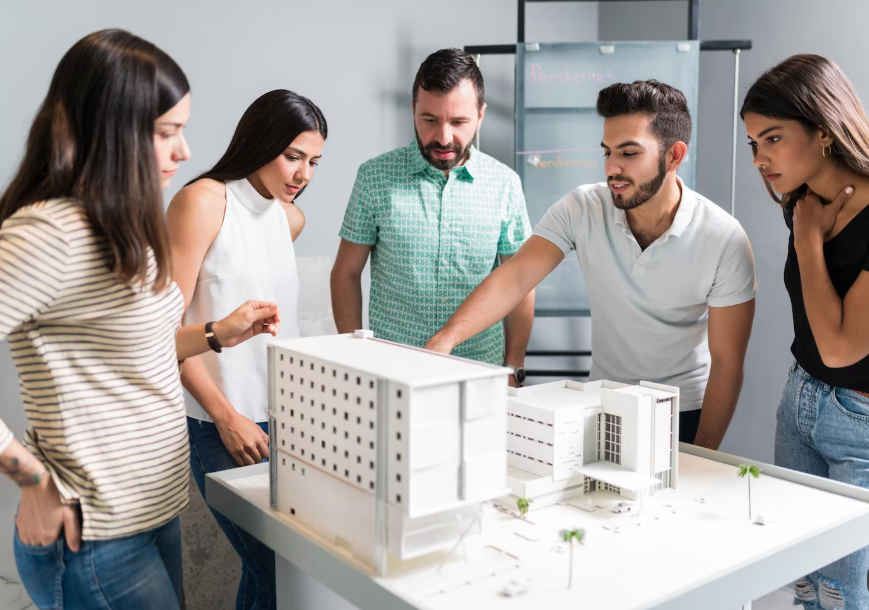
The experience of home extends beyond the front door. The street outside, the distance to everyday services, and the spaces between buildings all influence how a place feels to live in. A comfortable house can feel isolated when simple errands require long journeys. A modest apartment can feel more connected when useful amenities and welcoming public spaces are nearby.
Neighborhood design shapes these everyday experiences through decisions about streets, buildings, transport, landscaping, and shared facilities. Understanding those connections helps explain why the same type of property can offer very different lifestyles in different locations.
Walkability Shapes Everyday Independence
Being able to reach shops, parks, schools, or public transport on foot changes how residents use their surroundings. Short journeys can become part of daily life without requiring a vehicle for every trip.
Distance alone does not determine whether walking is practical. Continuous pavements, manageable crossings, shade, lighting, and accessible entrances all affect the experience. A shop may be nearby on a map yet difficult to reach across a busy road.
Connected routes also matter. Streets and paths that offer direct journeys can make a neighborhood feel more accessible, while barriers and dead ends may turn a short distance into a lengthy detour.
Streets Influence Comfort Around the Home
Residential streets serve several purposes. They carry traffic, provide access to properties, and form part of the space residents see and hear every day.
Traffic speed, road width, crossing arrangements, and parking placement can influence how comfortable people feel outside their homes. A street dominated by moving vehicles offers a different experience from one with space for walking, seating, and planting.
The design should also account for deliveries, emergency access, and people with mobility needs. A welcoming street works best when its different functions are considered together.
Green Spaces Expand the Living Environment
Parks, shared gardens, and tree-lined streets provide places to spend time beyond the home. For residents with limited private outdoor space, these areas can become particularly valuable parts of the neighborhood.
Their usefulness depends on more than appearance. A park needs accessible routes, suitable seating, and maintenance that supports regular use. Different spaces can accommodate quiet breaks, play, social gatherings, or outdoor activities.
Landscaping also influences the view from home. Trees and planting can soften the space between buildings and provide seasonal variety. Their placement needs care so that they complement lighting, visibility, and access.
Nearby Services Affect Daily Routines
The location of essential services shapes the time and effort required to manage everyday responsibilities. Grocery shops, childcare, healthcare, and other amenities influence how residents plan their days.
A neighborhood with a useful mix of destinations may allow people to combine errands or make shorter trips. However, nearby activity can also bring deliveries, noise, and competing demands for space.
Thoughtful design manages these relationships. The position of entrances, loading areas, outdoor seating, and residential windows can help different uses coexist more comfortably.
Shared Spaces Create Opportunities to Connect
Community relationships often develop through repeated, informal encounters. A shared courtyard, a small seating area, or a familiar walking route can give neighbors opportunities to acknowledge one another and gradually become acquainted.
These spaces work well when people have a reason to use them. Comfortable seating, shelter, clear access, and a location along ordinary routes can support everyday use.
Residents also need choice. Some people enjoy frequent interaction, while others prefer greater privacy. Good neighborhood design provides opportunities for connection without making social participation unavoidable.
Privacy Depends on the Space Between Buildings
The relationship between homes affects how private their interiors and outdoor areas feel. Window placement, building height, balconies, and separation distances all contribute.
A carefully positioned entrance or planted boundary can create a transition between public and private space. These details help residents understand where shared access ends and personal space begins.
Privacy also involves sound. The location of busy roads, gathering areas, service equipment, and neighboring activities can influence the experience inside a home. Layout and building design need to address these conditions together.
Transport Connections Shape Access to the Wider Area
A neighborhood may feel pleasant internally yet remain difficult to leave without a car. Reliable transport connections influence access to work, education, services, and social activities elsewhere.
The journey to a stop or station matters alongside the service itself. Accessible paths, crossing points, shelter, and clear information make connections easier to use.
Cycling routes and secure storage can provide additional options where local conditions support them. A range of practical transport choices allows residents with different needs to navigate the wider area.
The experience of home emerges from the relationship between a dwelling and its surroundings. Streets, services, public spaces, and neighboring buildings shape ordinary moments throughout the day. When those elements work together, residents gain more ways to move comfortably, find privacy, connect with others, and enjoy the place they call home.
Read more : 265 ‘’ Best Would You Rather Questions ’’ to Spark Conversations and Laughter-2026

Rehana Qmar is the admin and author of QuestionsBoyfriend.com. She researches and writes helpful Questions, Responses, and Message ideas for relationships.
Her content is based on real communication needs, simple language, and practical examples to help readers express feelings clearly and confidently.