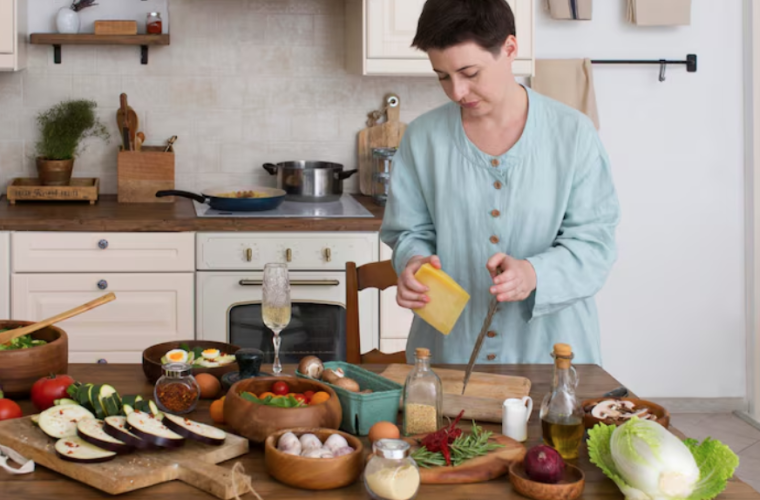
A well-stocked pantry makes everyday cooking easier. Having useful ingredients within reach can help you prepare meals when plans change, shopping trips are delayed, or fresh supplies run low. However, filling cupboards with food does not automatically make them more useful. Without a clear approach, forgotten packets and duplicate purchases can turn convenience into waste.
The most practical pantry reflects what your household actually eats. Building one involves choosing versatile ingredients, storing them properly, and keeping enough visibility to use what you already have.
Begin With a Pantry Check
Before buying anything, take a look through your cupboards. Group similar items together and check for open packets, duplicates, and ingredients pushed to the back.
Identify foods you use regularly and those that remain untouched. An unopened bag of an unfamiliar grain may suggest that you need a specific recipe before buying similar products again.
Make a short list of items to use soon. This gives your next few meals a starting point and prevents good food from disappearing behind newer purchases.
Stock Ingredients Around Your Regular Meals
A pantry should support your cooking habits rather than an idealised version of them. Think about the meals you prepare during an ordinary week.
If your household frequently eats rice dishes, lentils, and curries, those ingredients deserve reliable space. If pasta is a regular quick dinner, keep pasta and suitable sauce ingredients available.
Useful categories may include grains, beans or lentils, canned vegetables, cooking oils, spices, and baking essentials. You do not need every option in every category. Start with a modest selection that serves several familiar meals.
For example, canned tomatoes might become a pasta sauce, a bean stew, or the base of a soup. Ingredients with several uses are less likely to sit idle.
Buy Quantities You Can Realistically Finish
Large packages can offer a lower unit price, but they only provide value when you use their contents. Consider how often you cook with an ingredient, how much storage you have, and how it keeps after opening.
A small household may benefit from smaller bags of flour or several small cans instead of one large container. Frequently used rice or lentils may justify a larger purchase.
Treat special offers carefully. Before buying extra, decide which meals will use it. If you cannot identify a realistic purpose, leaving it on the shelf may save more money than the discount.
Make Food Easy to See
Visibility helps prevent waste. Arrange your pantry so that labels are readable and similar ingredients stay together.
Place older stock in front and newer purchases behind it. Keep open packets in an obvious position so they are used before another package is opened.
Clear containers can be helpful, but they are optional. Clips, labelled boxes, and neatly arranged original packaging can work just as well. If you transfer food into another container, retain its preparation instructions, allergen information, and date details.
Avoid topping up an old container indefinitely without emptying and cleaning it between batches.
Store Ingredients According to Their Needs
Check packaging instructions because storage requirements vary. Many dry goods keep best in a cool, dry cupboard away from heat and moisture. Secure packaging also helps protect them from pantry pests.
Some products require refrigeration after opening, including certain sauces and condiments. Oils, nuts, and wholegrain products can lose quality over time, so buy manageable amounts and follow their storage guidance.
Dates also need careful interpretation. Best-before dates generally concern quality, while use-by dates concern safety in places where that labelling system applies. Follow local guidance and product instructions; smell or appearance alone cannot establish that food is safe.
Plan Flexible Meals
A rigid meal plan can fall apart when schedules change. Instead, choose a few meals that share ingredients and allow substitutions.
Rice can accompany vegetables one evening and become part of a soup another day. Chickpeas can work in a curry, salad, or simple tomato-based dish.
Keep several dependable pantry meals in mind for busy days. Knowing how to turn a few staples into dinner makes those supplies useful rather than merely reassuring to own.
Plan for opened ingredients too. If one meal uses half a jar of sauce, decide how to use or appropriately store the remainder before opening it.
Keep a Simple Shopping List
Check your supplies before shopping and add items when they are running low. A short list on your phone or inside a cupboard door is usually enough.
For frequently used staples, establish a sensible minimum. One open package and one spare may suit some products, while slower-moving ingredients may need no backup.
Review the pantry briefly each week. Move overlooked food into view and choose a meal that uses it.
A useful pantry develops through regular cooking and small adjustments. When you stock familiar ingredients, buy suitable quantities, and make older food easy to find, your cupboards can support convenient meals while leaving far less to waste.
Read more : How Environmental Details Make Game Worlds Feel Alive

Rehana Qmar is the admin and author of QuestionsBoyfriend.com. She researches and writes helpful Questions, Responses, and Message ideas for relationships.
Her content is based on real communication needs, simple language, and practical examples to help readers express feelings clearly and confidently.